Trenching
Southern Maryland: Managing difficult yard situations
Many homeowners aim for a picture-perfect lawn complete with rolling acres of soft, green grass. But Mother Nature may have other things in mind, providing homeowners with less-than-stellar growing conditions for their lawns, plants, and other foliage. Frustration can mount when a yard is muddy, is especially shady, or has soil that doesn’t seem to grow a thing. In such instances, homeowners may have to go the extra mile to get the yard they desire.
Irrigation issues
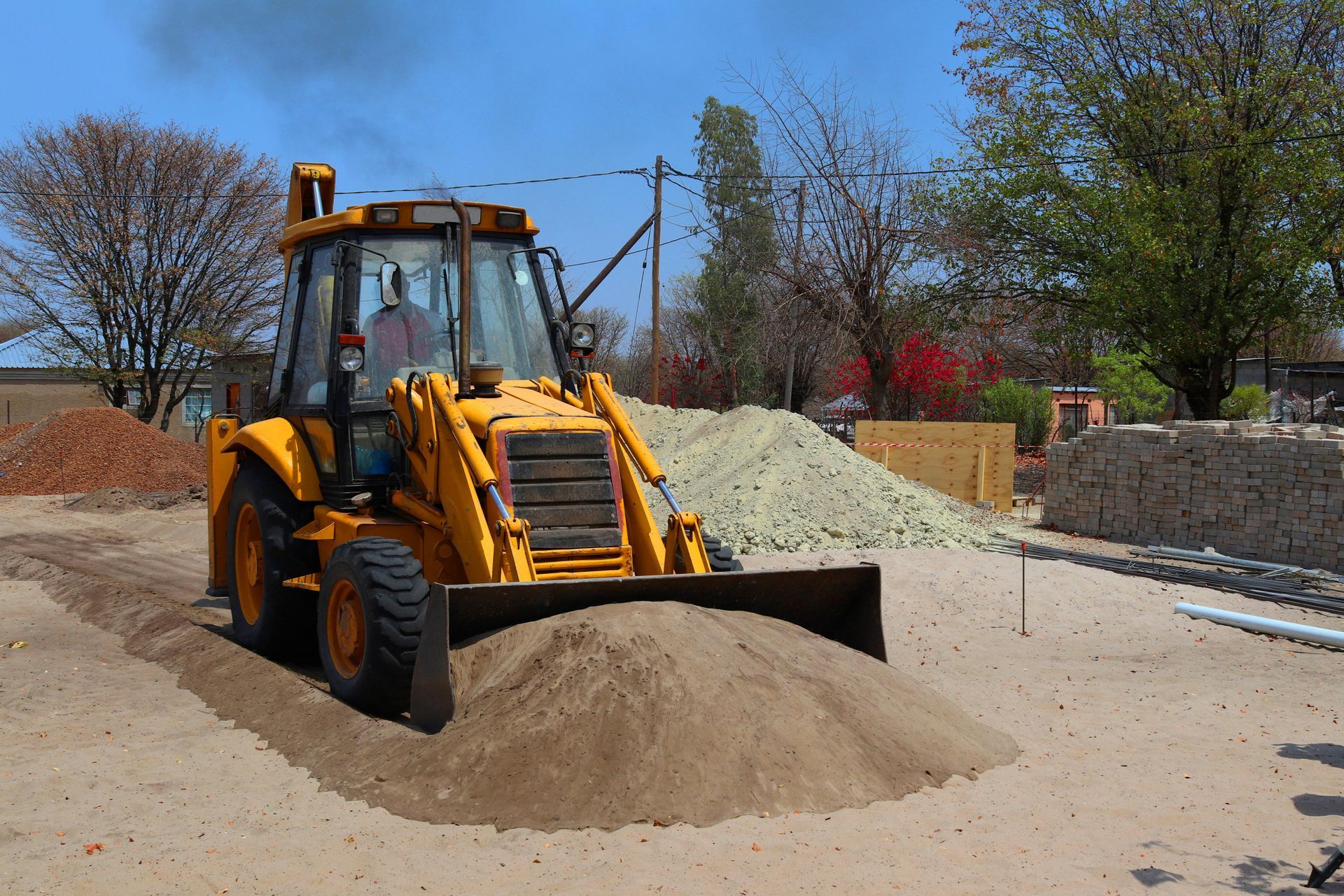
Improper drainage or low-lying areas in a yard may contribute to a muddy mess. Soil that is inhospitable for grass may also end up causing muddy patches because the grass simply does not grow. In some cases, remedying a muddy yard is easy and inexpensive. Some homeowners find that tilling the soil and amending it with a fiber mulch helps to absorb extra water and make the conditions better for lawn seeds to sprout. This also helps to aerate compacted soil that can hinder grass growth. Adding soil fill also may help to level low-lying areas that can be puddling.
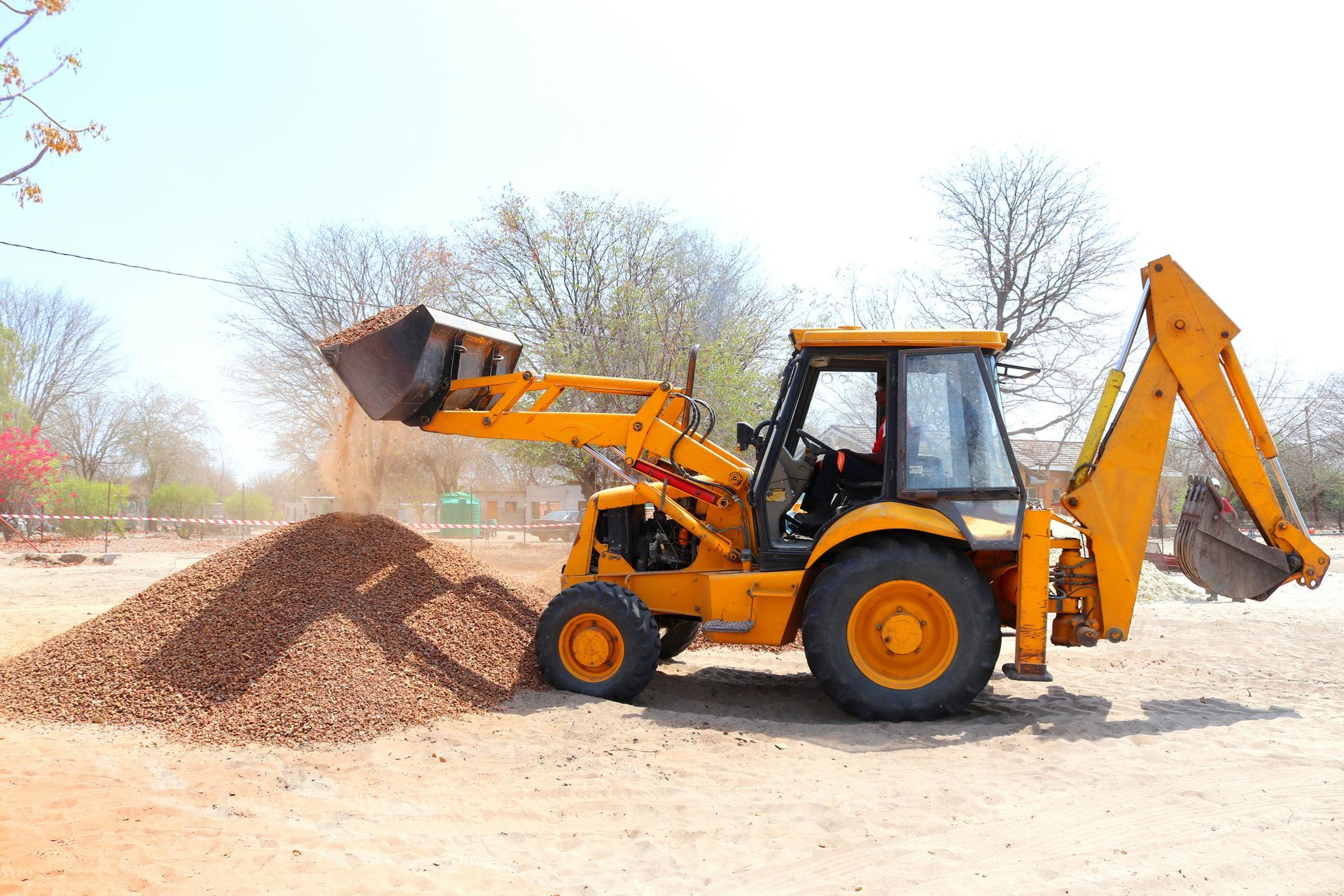
Some homeowners find that they need to do a little more work and spend some more money to fix irrigation issues. Installing a draining system or having the property sloped to draw water away can sometimes be done by a homeowner, but is often best left to a professional. You may need to dig trenches, and the property may need to be regraded to make a difference.
Sandy soil
Grass and other plants may not grow well in sandy or clay soil. Again, amending the soil is one way to remedy the problem. Although it will take some work at the outset, amending the soil can improve conditions and reduce how much maintenance the lawn needs. Digging down several inches and adding nutrient-rich filler soil will help create conditions that are better for growing. Those who are interested in planting vegetables could opt for raised garden beds above the challenging soil.
Shade
Sometimes a yard is problematic because of the amount of sunshine it receives. Too much sunshine can scald certain grasses, while inadequate sunshine may result in bare patches where grass won’t grow. If cost is no object, removing or planting trees to establish better growing conditions could be an option. However, today there are many grass blends that are tailored toward specific sunlight scenarios. Homeowners may find that low-light blends will grow better in shady areas.
For those who are finding no luck with grass blends, it may just be necessary to think creatively. Plant shade-loving plants, such as ferns or ground cover, where the grass won’t grow. Design the landscape so it looks intentional. Flagstone and slate placed in certain areas may also mask temperamental growing areas.
There are different options for managing various situations in the yard that can make growing a lawn or other plants challenging. If projects are difficult, it could be smart to call in a professional.
For all your excavating and concrete needs, including irrigation, landscaping, trenching installations, call Scaggs Site Development.
What types of utility and drainage projects require professional trenching?
Trenching is necessary for a variety of underground infrastructure projects. In Southern Maryland, this commonly includes:
Utility Lines: Digging precise paths for water, sewer, electrical, gas, and communication (fiber optic) lines.
Drainage Systems: Installing French drains, curtain drains, and culverts to manage water runoff.
Septic Systems: Excavating for new municipal connections or private septic tank installations and repairs.
How does Scaggs Excavating ensure safety and compliance during a trenching project?
Excavation is inherently dangerous, so strict safety protocols are essential. Scaggs Excavating prioritizes the following:
OSHA Compliance: Following federal and state standards for trenching and shoring to prevent cave-ins.
Utility Marking: Performing a site assessment to identify existing underground gas, water, and electric lines before digging begins.
Local Regulations: Navigating environmental regulations, especially those related to the Chesapeake Bay Critical Area, and securing all necessary permits for Calvert, Charles, and St. Mary’s Counties.
What kind of equipment is used for trenching in tight or residential spaces?
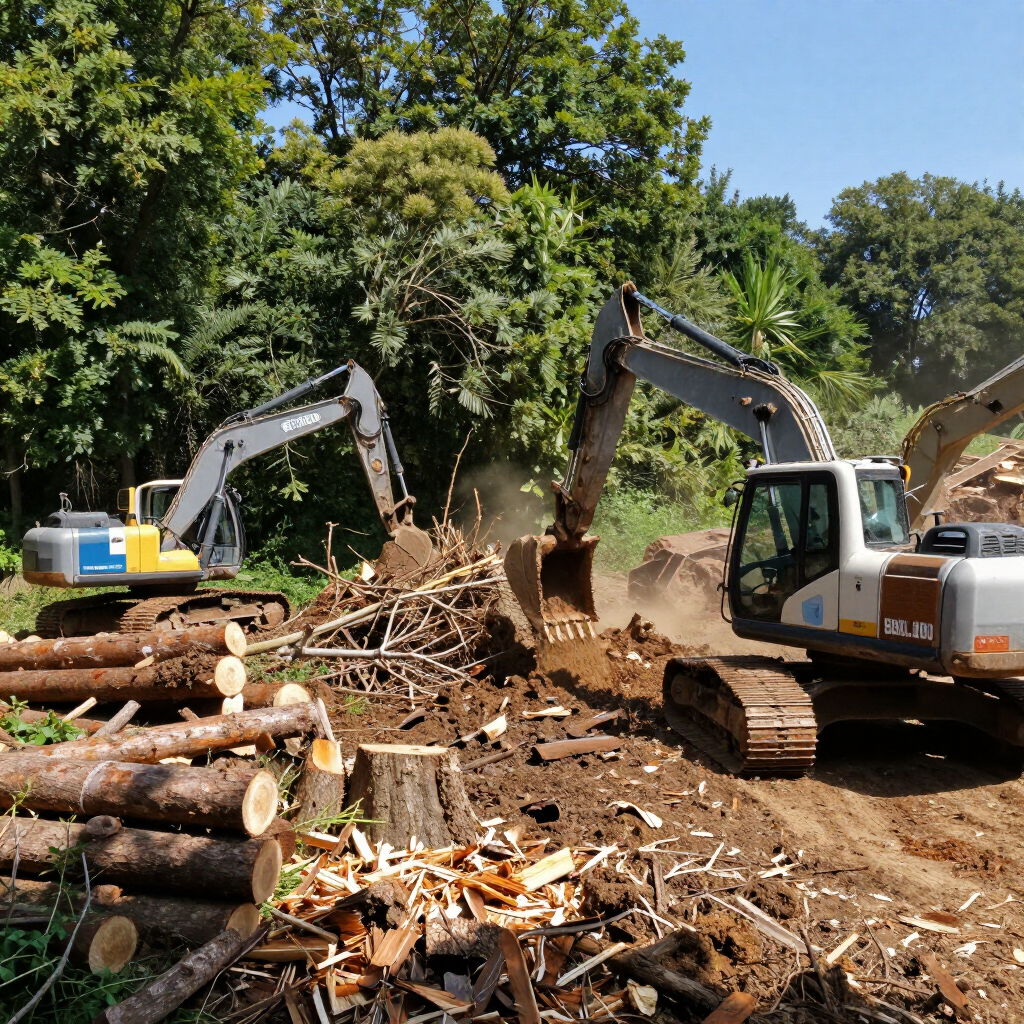
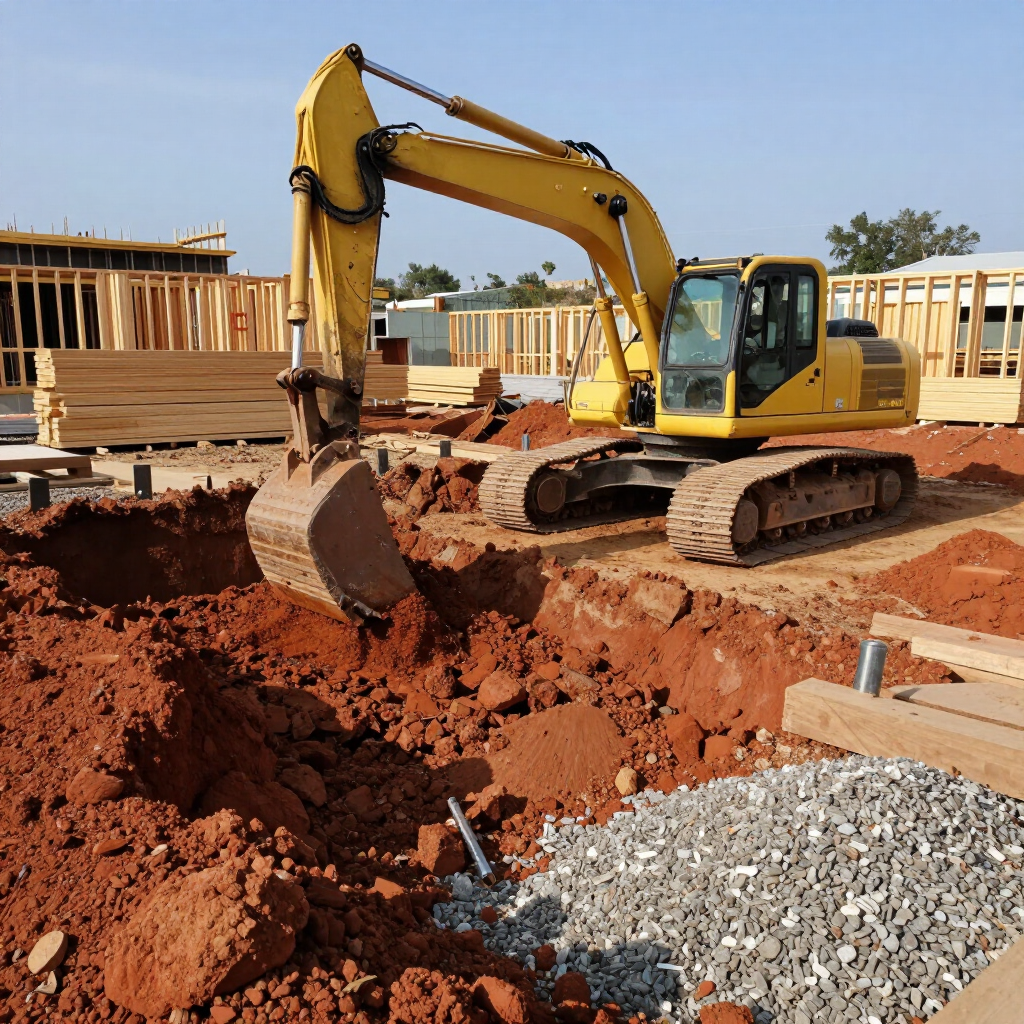
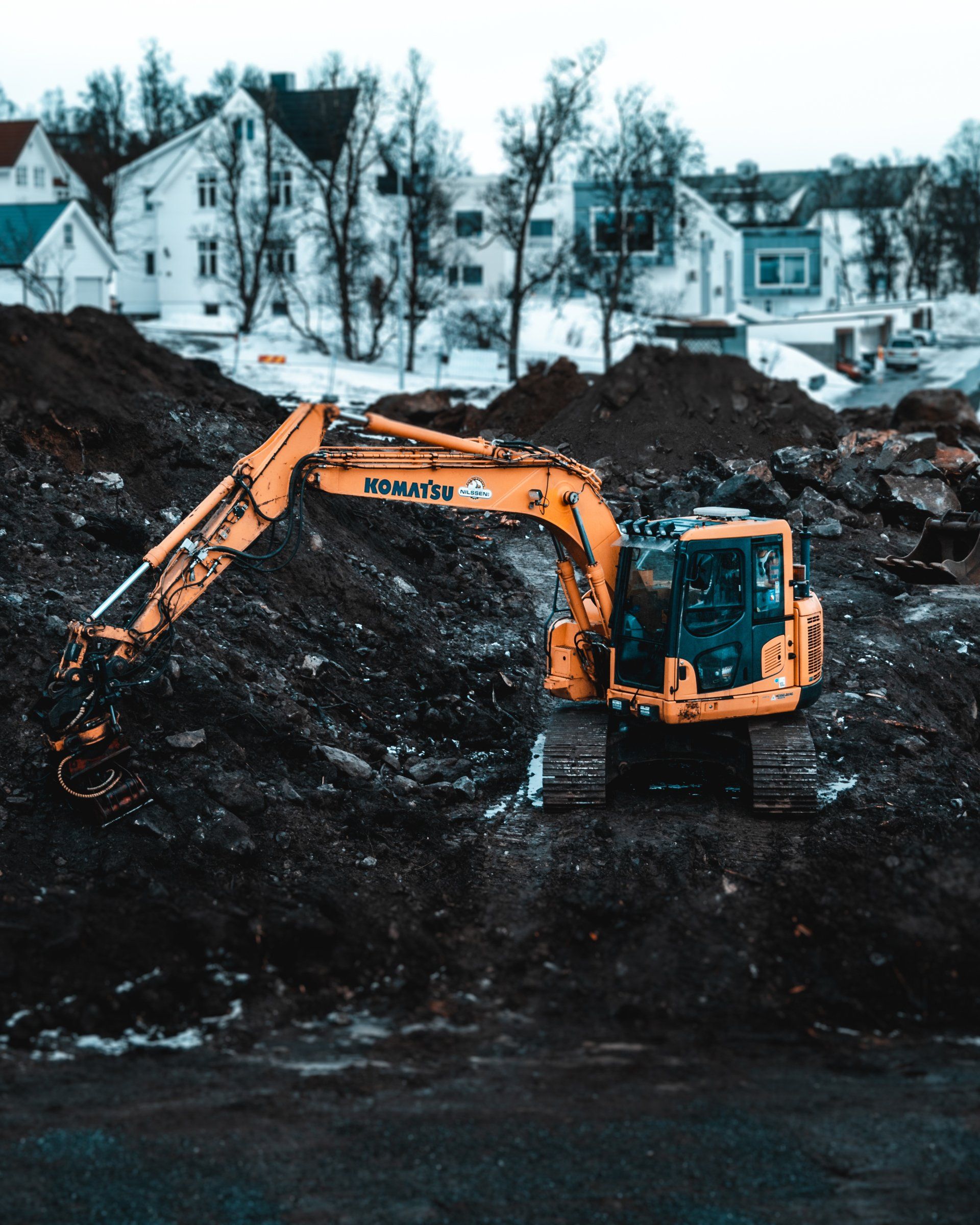
The choice of machinery depends on the scale and location of the project. For large-scale land development, heavy-duty hydraulic excavators are used for surgical precision and power. For residential projects or work in confined areas, mini-excavators are utilized. These smaller machines provide the necessary power to dig deep trenches while minimizing disruption to the surrounding property and landscaping.