If You Have an Erosion Problem
If you have an erosion problem, Scaggs Excavating has the solution.

A Scaggs Site Development Project in Southern Maryland.
Completion of day 1….Road is passable… Day two, complete. Complete culvert replacement of 48 inch pipe, upgrade to 60 inch. Class 2 rip rap hardened face. Grade to divert shoulder water away from pipe ends. Expected lifespan of HDPE pipe……………………….. 100 years

A General Summary of Excavating:
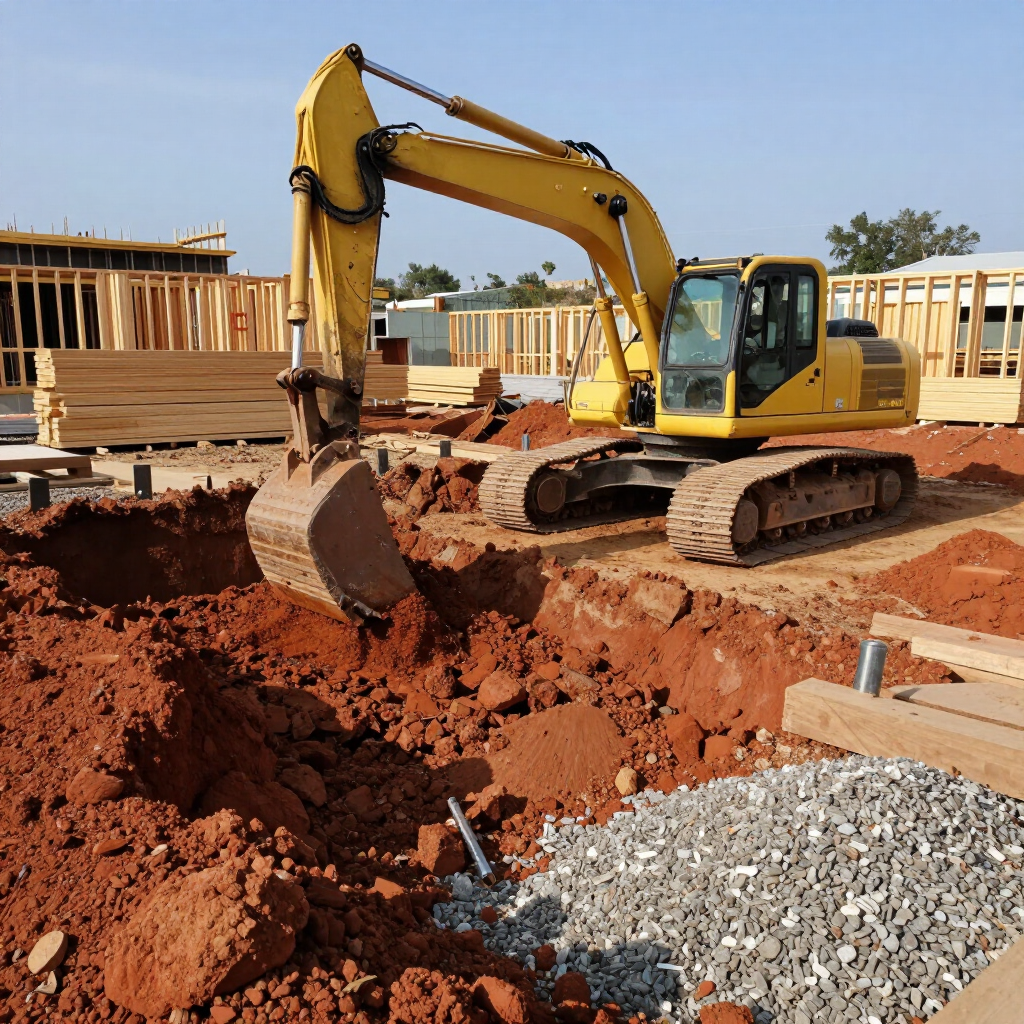
Excavation is also useful for digging out houses and trenches. When clearing dirt out for roads or sub divisions, excavation is what takes care of things. Even though there are a few means, the term excavation is used anytime that the earth or dirt is disturbed.
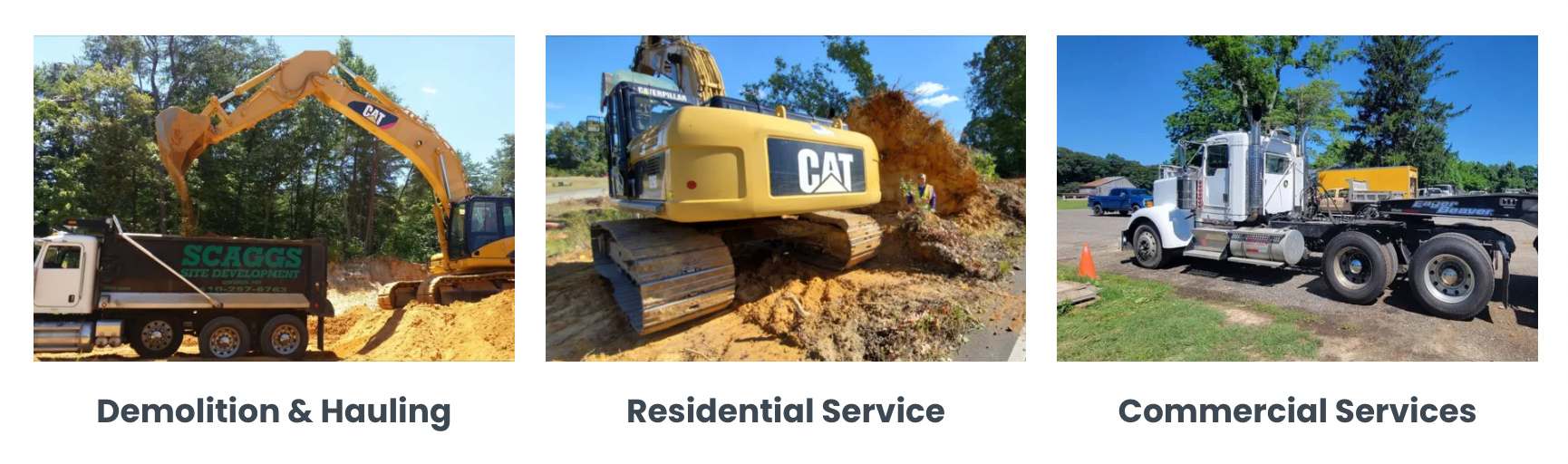
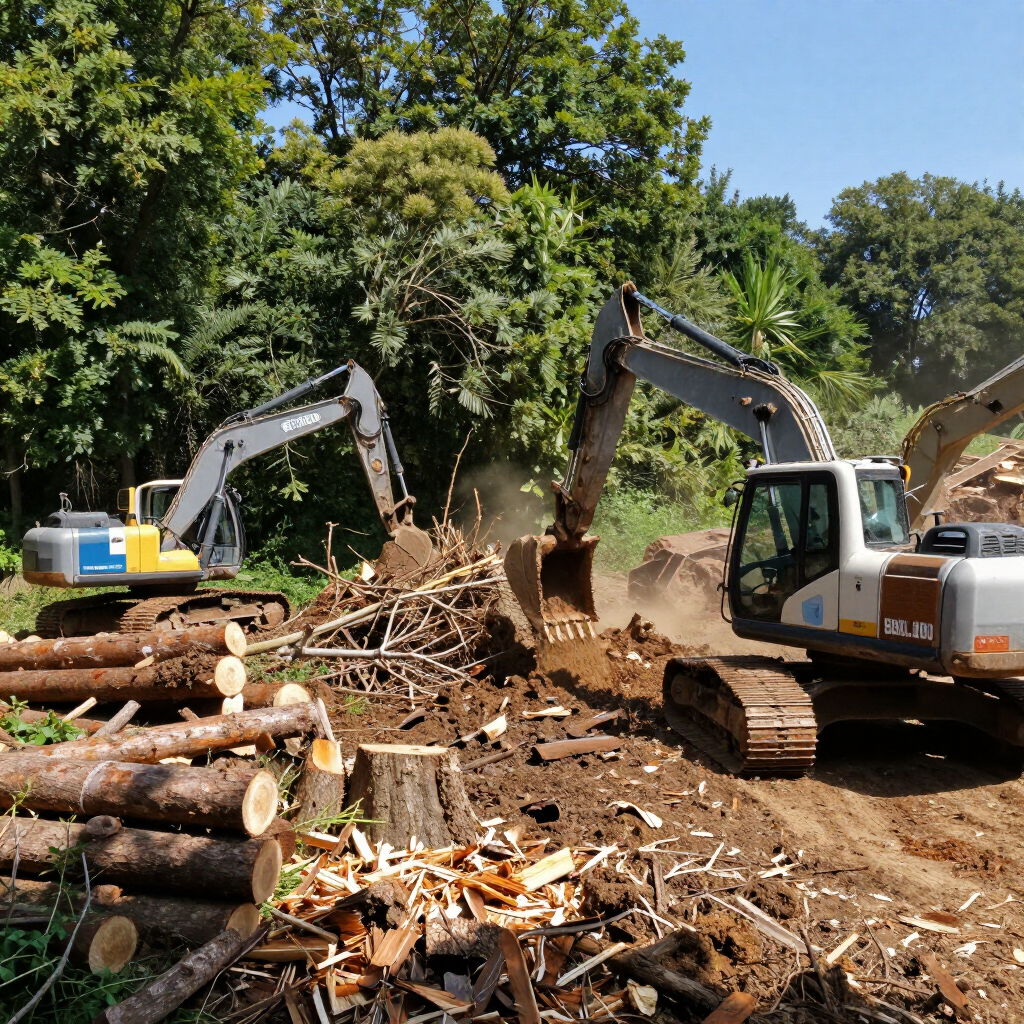
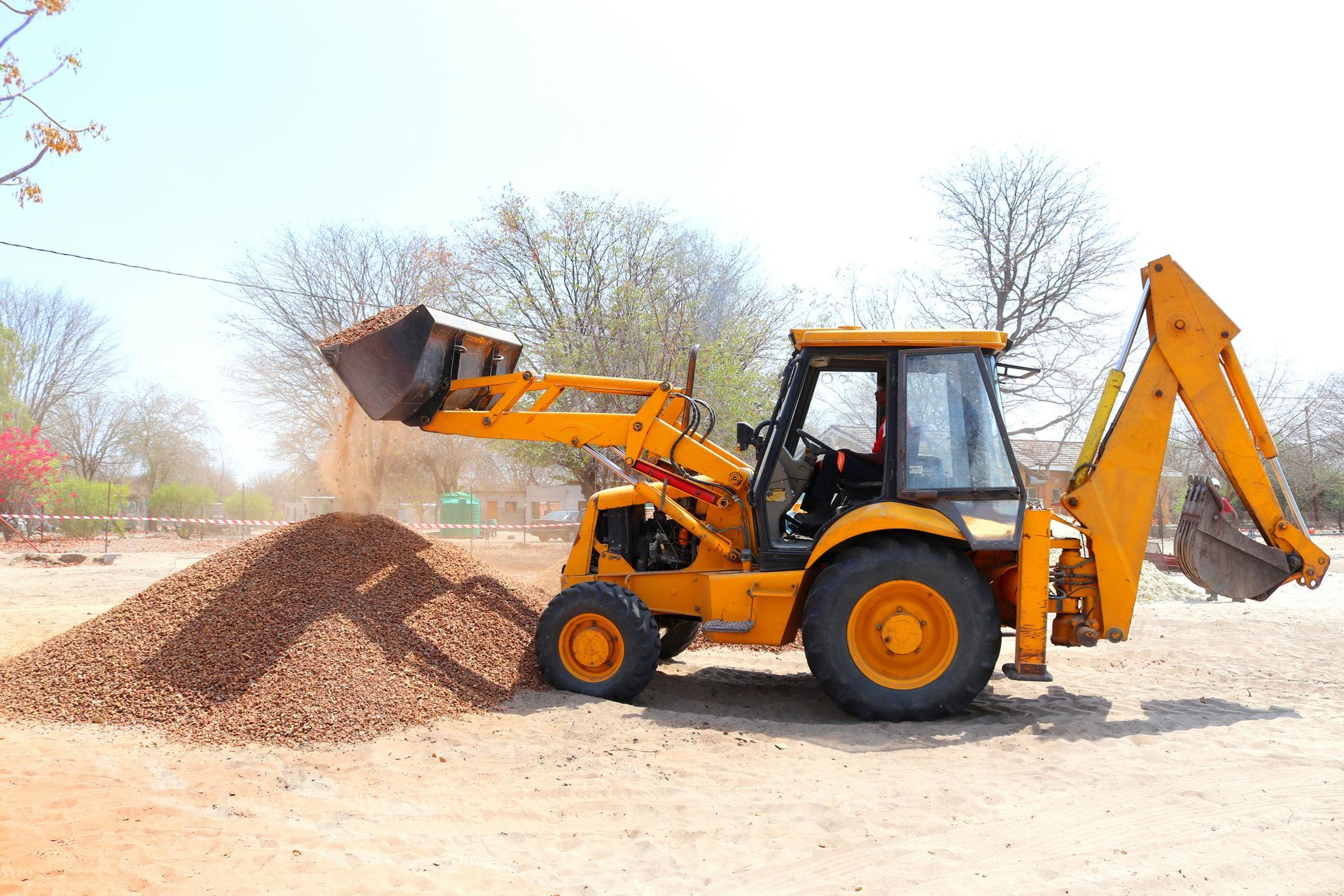
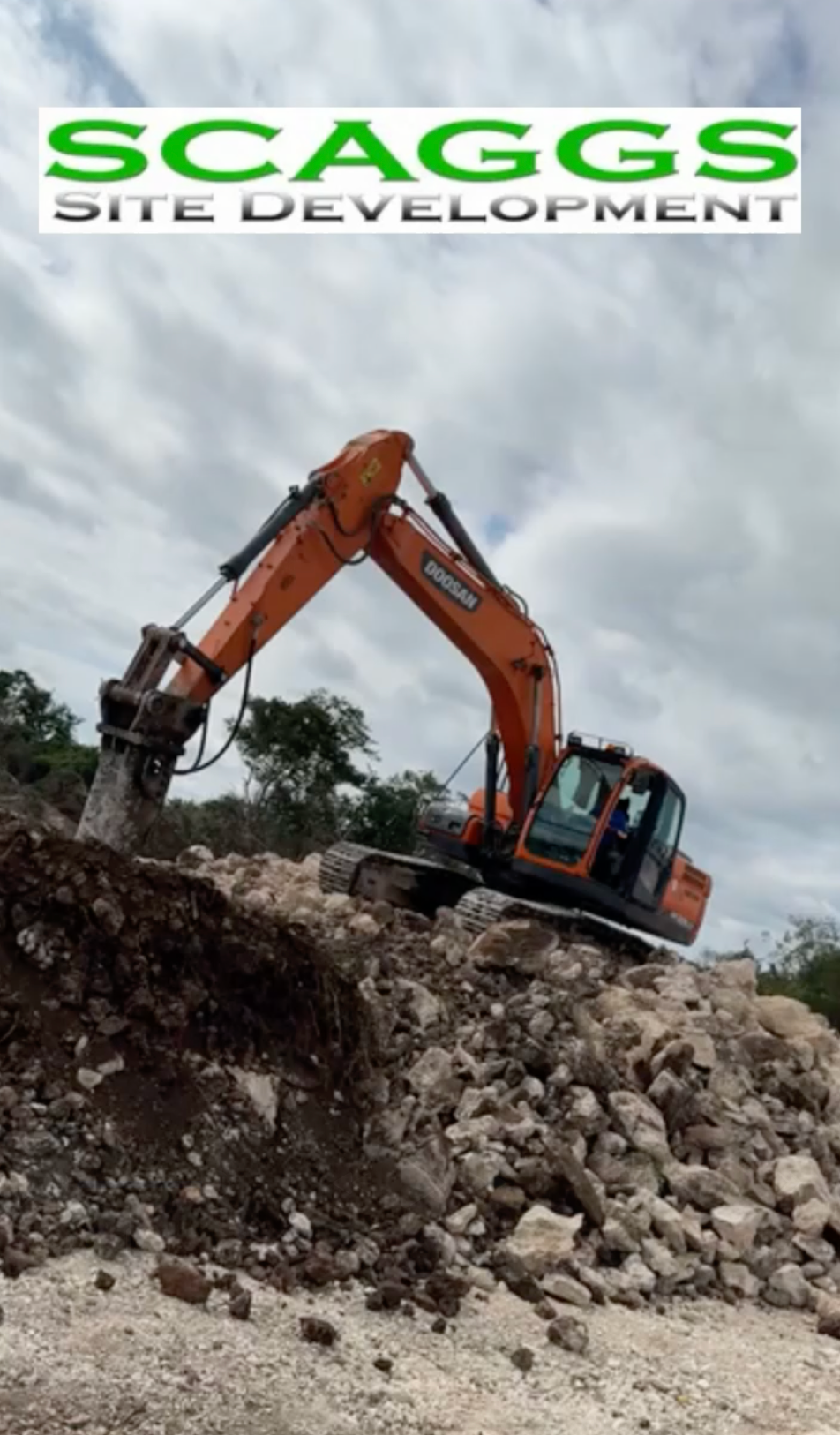
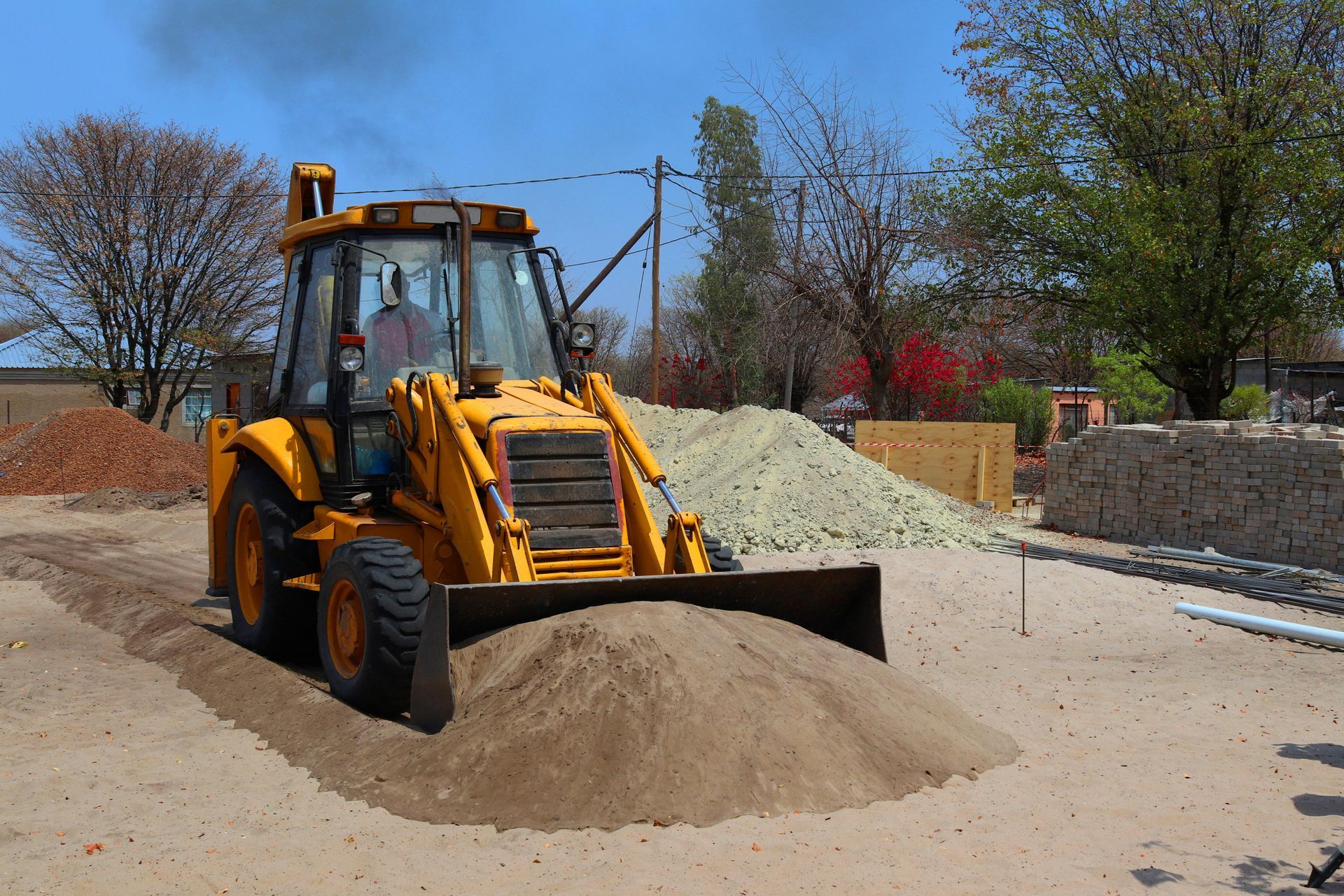
Heavy machinery is also very common with excavation, such as excavators or backhoes. Excavating crews run the equipment and dig up soil and rocks for whatever the purpose may be. Excavators are the most used machinery, as they can move a lot of dirt in a little bit of time.
Anytime you are taking part in excavation, you should always use common sense and be safe. If you plan to get down into a hole or trench, you should always use a trench box. Even though the hole may not be that deep, excavation sites can always cave in and at that point – things are very dangerous and possibly even deadly.
What Causes Erosion on Southern Maryland Properties
Erosion doesn't happen overnight, but once it starts, it rarely stops on its own. In Calvert, St. Mary's, and Charles Counties, the most common causes we see are:
- Heavy or prolonged rainfall that overwhelms ditches, culverts, and drainage paths
- Undersized or failing culvert pipes that can't handle the volume of water moving through them
- Poor grading that directs water toward a driveway, foundation, or slope instead of away from it
- Loss of vegetation along ditch lines, waterfronts, or slopes that once held soil in place
- Waterfront exposure to tidal action, wake, and storm surge along the Chesapeake Bay and its tributaries
Because so much of Southern Maryland sits close to the water and deals with clay-heavy soil, erosion problems tend to show up faster here than in other parts of the state — and they tend to get worse quickly once a culvert or slope starts to fail.
Signs You May Have an Erosion Problem
Property owners often don't call until the damage is obvious, but there are earlier warning signs worth watching for:
- Standing water or soft, saturated ground near a driveway or road
- A culvert pipe that's rusted through, crushed, or undersized for the water it's carrying
- Bare, exposed soil where grass or ground cover used to hold the slope
- Small gullies or channels forming after every rain
- Water pooling near a foundation, shed, or outbuilding
If any of these sound familiar, it's worth having a professional take a look before the next storm makes the problem bigger — and more expensive.
How Scaggs Excavating Solves Erosion Problems
Every erosion issue is a little different, but our approach usually draws from the same set of proven site development tools:
Culvert Replacement and Upsizing
When a pipe is too small, rusted out, or crushed, we replace it with properly sized HDPE pipe rated for decades of service — often upgrading capacity so the same failure doesn't happen again during the next heavy rain.
Grading and Regrading
Water follows the path of least resistance. We regrade shoulders, driveways, and slopes so water moves away from structures and pipe ends instead of pooling or cutting new channels.
Rip Rap Installation
Class 2 rip rap hardens the ground around pipe outlets and vulnerable slopes, absorbing the force of moving water so it can't wash out soil underneath.
Drainage and Site Development
For larger properties or recurring problems, we look at the whole site — ditch lines, culverts, grading, and runoff paths — to build a drainage plan that holds up long-term, not just until the next storm.
Why Waiting Costs More
An erosion problem that starts small — a soft shoulder, a slow-draining ditch — rarely stays small. Left alone, it can undermine a driveway, wash out a road base, or threaten a foundation. Addressing it early, with the right pipe size and proper grading, is almost always less disruptive and less expensive than waiting for a washout.
Serving Erosion Control Needs Across Southern Maryland
Scaggs Excavating provides culvert replacement, grading, and erosion control site development for properties throughout Calvert County, St. Mary's County, and Charles County, including Prince Frederick, Huntingtown, Owings, Dunkirk, Solomons, Lusby, Chesapeake Beach, North Beach, Leonardtown, Lexington Park, Waldorf, and La Plata.
If you're seeing standing water, a failing culvert, or bare soil where grass used to be, don't wait for the next heavy rain to find out how bad it's gotten.
Contact Scaggs Excavating or call 410-257-6763 for a site assessment.